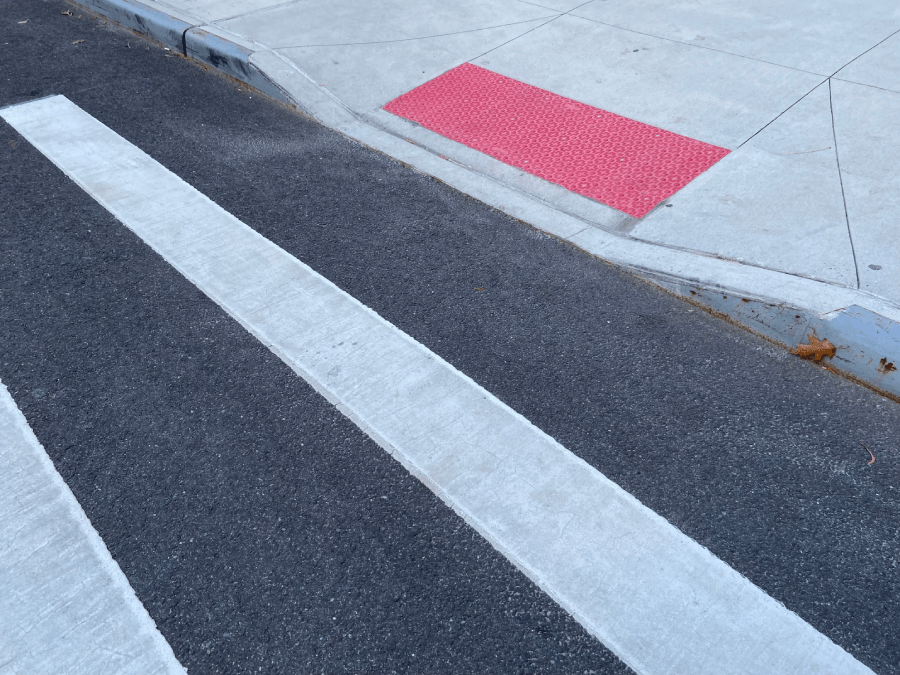

Thirty-six years ago, on July 26, 1990, the Americans with Disabilities Act became law (ada.gov). Much of what it promised took physical form: curb ramps where there had been none, detectable warnings at street corners, sidewalks and crossings built to make the everyday routes of life reachable for everyone.
Those features are easy to take for granted once they exist, but accessibility is not a one-time act of construction. It is a condition that has to be maintained.
Compliance is Not Permanent
A curb ramp that met code the day it was poured can quietly fall out of compliance years later. Slopes settle. Concrete cracks and spalls. The truncated domes that warn a pedestrian with low vision that they are about to step into traffic wear smooth or come loose. None of this happens all at once, and none of it announces itself. The gap between compliant and non-compliant is usually invisible until the moment someone cannot get through.
Why it Matters to the Whole Community
The Centers for Disease Control and Prevention estimates that 1 in 4 U.S. adults live with a disability (cdc.gov). Accessible infrastructure serves far more people than that figure suggests. A parent with a stroller, a delivery worker with a cart, an older resident who no longer feels steady on a high curb: all of them rely on the same ramps and crossings. Accessibility is one of the quiet systems that determines whether a community actually functions for the people who live in it.
From Good Intentions to a Plan
Title II of the ADA (ada.gov) has long asked public entities to evaluate their facilities and develop transition plans for bringing them into compliance. Many of those plans are decades old, and many agencies are working to understand their current inventory before they can prioritize repairs with confidence.
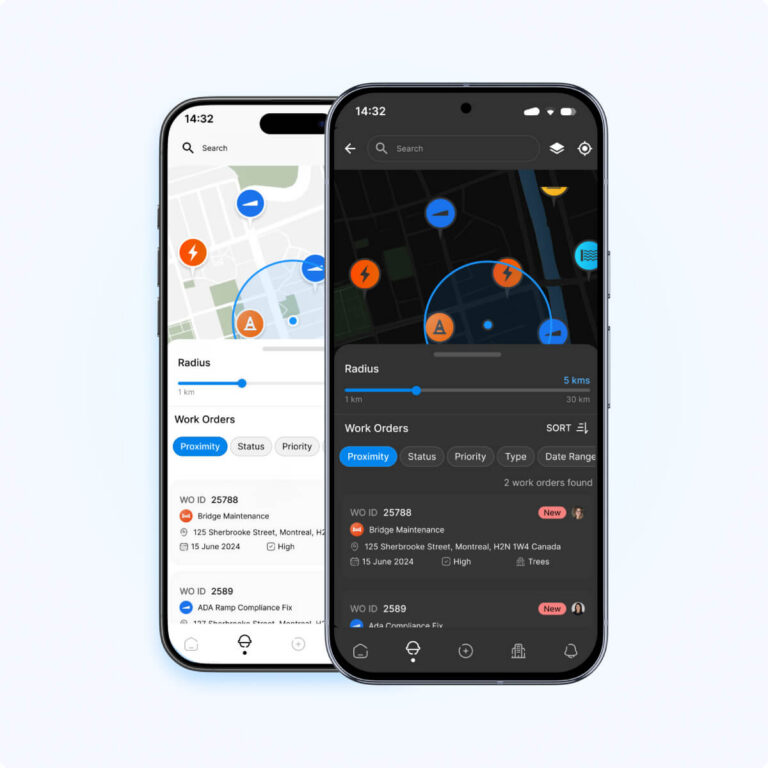
That is where the real work lives. Not in the aspiration, but in the specifics: knowing which ramps need attention, how urgent each one is, and where a limited budget can best be allocated. A good intention becomes a plan only when it is grounded in an accurate picture of what is out there.
Closing the Gap
This is work we at Citylogix care about deeply, with more than 66,000 curb ramps assessed and counting. Every one of those assessments is a small part of a larger goal: helping agencies see their networks clearly enough to act.
Accessibility is an ongoing effort. Streets and sidewalks change over time, and keeping them usable for everyone who depends on them takes steady, sustained attention.
If your agency is ready to see where its network stands, we would be glad to help you map it.